CEA Calls for State-Led Push to Make India a Global Education Hub
Wednesday, 17 December 2025, 17:14 IST
- States seen as key drivers of the next phase of higher education reform
- Shift urged from tight control to outcomes, autonomy, and collaboration
- NEP 2020, technology, and demographics create a timely reform window
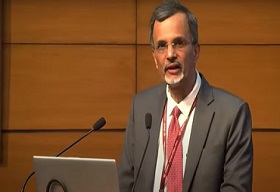
India’s Chief Economic Adviser Anantha Nageswaran on Wednesday called on state governments to take the lead in reshaping higher education, saying they hold the key to turning India into a global center for learning, research, and ideas. He was speaking at the CII Global Higher Education Summit in New Delhi.
Nageswaran said states must move from a mindset of control to one of stewardship. He urged reforms that address faculty shortages through models such as professors of practice, replace input-heavy rules with outcome-based regulation, and encourage an entrepreneurial approach in public administration. He also supported differentiated funding, where institutions receive resources based on their roles and performance rather than uniform norms.
He highlighted the growing role of industry in higher education, noting that companies can help design curricula, offer credit-linked internships, support applied research, share infrastructure, and take part in governance. Strong collaboration among states, the central government, industry, and citizens, he said, can help India move from scale to global leadership.
The CEA outlined four forces making this moment critical. India is at a demographic turning point, with millions of young people entering the workforce. Globally, traditional education destinations face pressures, while Asia is emerging as a learning and innovation hub. Technology has removed barriers through digital platforms, hybrid models, and AI-enabled teaching. Finally, NEP 2020 has laid the policy foundation for execution-focused reform.
Also Read: Revanth Reddy Unveils Rs 1,000 Crore Plan to Upgrade Osmania University
Prof Anil Sahasrabudhe said recent reforms aim to build a student-centric, flexible system, including a proposed single-window regulator and tools like the National Credit Framework. Industry leaders, including Naushad Forbes and Nandini Rangaswamy, stressed that high-quality human capital, research funding, autonomy, and industry collaboration will determine India’s long-term economic resilience and future of work.