.png)


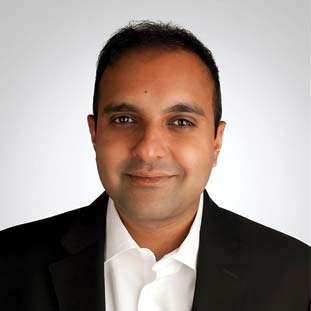
Shivani Sarin
Principal & Director
Evolution by Need
Crystal did not begin as a multi-program centre. Around 2007, it opened as a preschool built on one belief: children learn best where they feel secure, recognised and happy. But parents needed continuity, safe hours that extended into the evening, and predictable rhythms for children too young to articulate discomfort.
This led to extended daycare, and soon after, a separate design for infant care, admitting children as young as two months. From there, the progression became organic: after-school daycare for children enrolled in formal schools, followed by evening activity programs across sport, performing arts and skill building.
The result is a single-campus system that can meet children at multiple developmental points without forcing families to keep switching institutions. Infants find warmth and secure attachment; toddlers are eased into early learning through play; preschoolers
enter structured, thematic curriculum; school-goers return for afternoon engagement rather than unmonitored hours; older children pursue skating, football, dance, chess, abacus and more through trained instructors. “Peace of mind for parents is not a luxury; without it, neither the child’s development nor the parent’s professional life can truly progress”, says Shivani Sarin, Principal & Director, Crystal Children’s Centre.
Safety as a Design Discipline
The campus operates with a single controlled entry-exit point, 24×7 security, CCTV coverage shared with parents, strict pickup-authorisation protocols, and senior staff present until the last child leaves. Nap time, play time, transitions and mealtimes are supervised, not delegated, and food and transport are managed in-house for control rather than convenience. The infrastructure is childproofed, regularly audited, and treated as foundational, not promotional.

Inside the classroom, Crystal follows age-mapped learning that progresses through toddler, playgroup, pre nursery, nursery and kindergarten. The curriculum is built around thematic planning and gradual skill progression, aligning children for smooth entry into formal schooling. The philosophy is equal parts emotional safety, structured curiosity and developmental pacing.
Alongside fee-paying programs, the centre runs Samarpan Seva Trust, an initiative offering foundation level education for children from under-resourced backgrounds, preparing them for entry into formal schools and integrating them into centre-wide events. It adds a quiet moral layer to an otherwise commercial category.
Crystal does not speak the language of scale. The intent is to sharpen what already works. If the city’s parenting culture continues to evolve, Crystal’s story suggests it will evolve with it, not by forecasting trends, but by listening closely to the people who entrust their children to its rooms.
Peace of mind for parents is not a luxury; without it, neither the child’s development nor the parent’s professional life can truly progress
Safety as a Design Discipline
The campus operates with a single controlled entry-exit point, 24×7 security, CCTV coverage shared with parents, strict pickup-authorisation protocols, and senior staff present until the last child leaves. Nap time, play time, transitions and mealtimes are supervised, not delegated, and food and transport are managed in-house for control rather than convenience. The infrastructure is childproofed, regularly audited, and treated as foundational, not promotional.
Inside the classroom, Crystal follows age-mapped learning that progresses through toddler, playgroup, pre nursery, nursery and kindergarten. The curriculum is built around thematic planning and gradual skill progression, aligning children for smooth entry into formal schooling. The philosophy is equal parts emotional safety, structured curiosity and developmental pacing.
Alongside fee-paying programs, the centre runs Samarpan Seva Trust, an initiative offering foundation level education for children from under-resourced backgrounds, preparing them for entry into formal schools and integrating them into centre-wide events. It adds a quiet moral layer to an otherwise commercial category.
Crystal does not speak the language of scale. The intent is to sharpen what already works. If the city’s parenting culture continues to evolve, Crystal’s story suggests it will evolve with it, not by forecasting trends, but by listening closely to the people who entrust their children to its rooms.